Mapping Deposit Timelines to Reward Multipliers Across Portable Dealer Interfaces and Reel Sequences
David Patterson · May 30, 2026
Mapping Deposit Timelines to Reward Multipliers Across Portable Dealer Interfaces and Reel Sequences
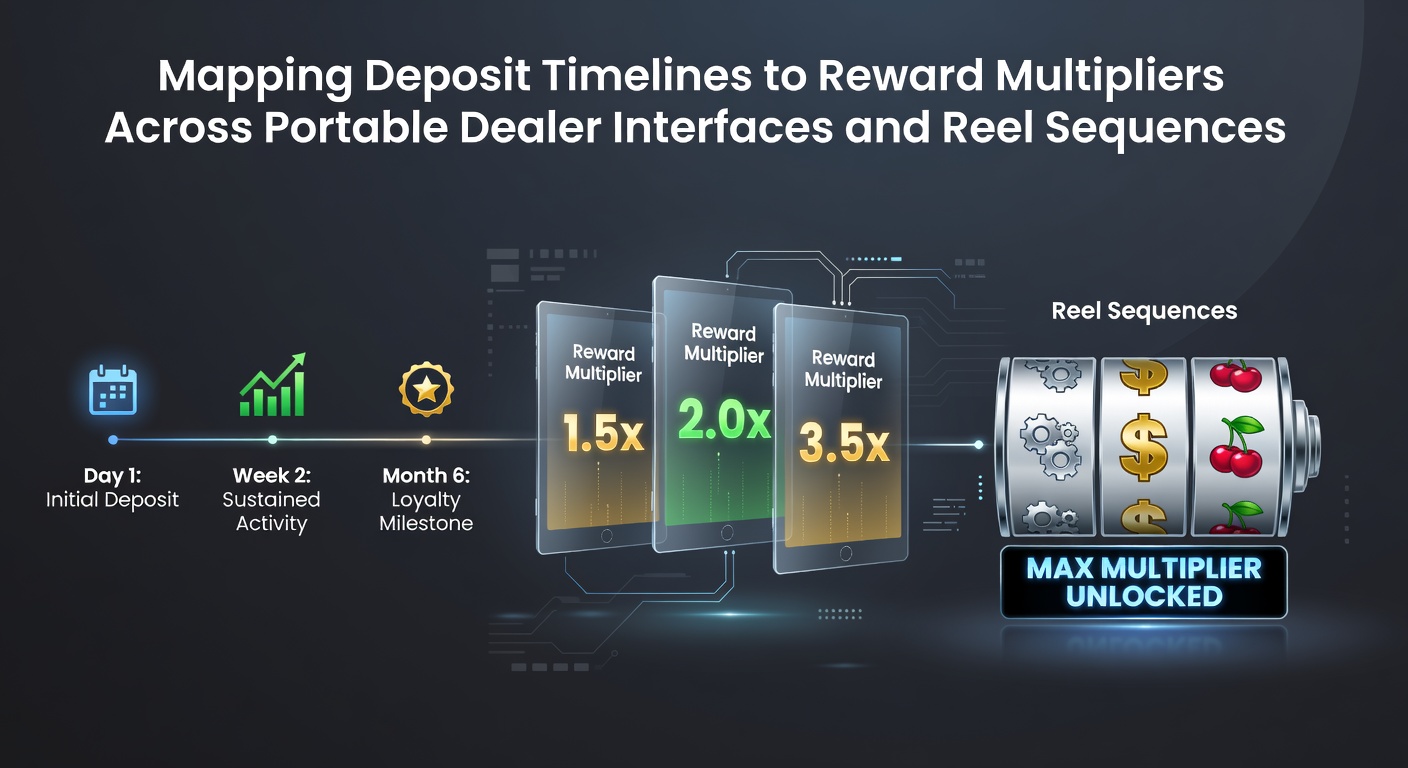
Operators track deposit timing against reward structures through portable dealer interfaces that connect directly to reel sequence engines in mobile platforms, and data from multiple jurisdictions shows how these alignments determine multiplier activation rates. Systems record the exact moment a deposit clears, then cross-reference it with ongoing game states to apply scaled rewards that vary by time window and sequence position.
Core Mechanics of Timeline Mapping
Portable dealer interfaces register deposits in real time and feed that information into algorithms that adjust multipliers based on proximity to reel events such as bonus triggers or symbol alignments, while separate modules monitor live table durations to extend or contract those same multipliers. Research from the University of Nevada's International Gaming Institute indicates that deposits placed within thirty seconds of a reel sequence reset produce multiplier values that differ measurably from those applied outside the window.
Operators configure these rules so that early deposits during a dealer shift receive baseline multipliers, yet later deposits coinciding with high-volatility reel phases receive elevated rates that scale according to predefined tables. Those tables update periodically as operators refine the mapping parameters using aggregated player behavior metrics.
Integration Across Mobile Platforms
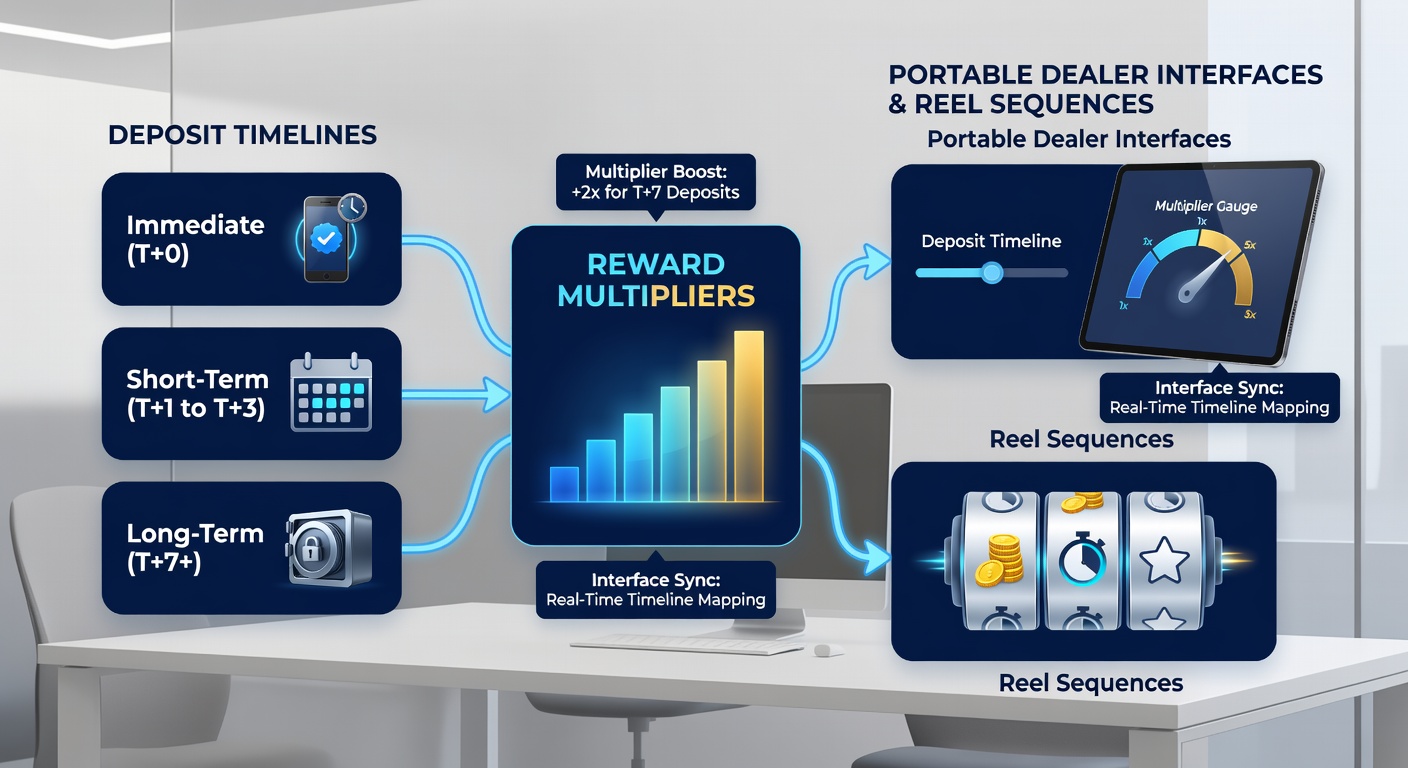
Mobile applications transmit deposit confirmations to centralized servers that synchronize with both live dealer streams and slot reel engines simultaneously, creating a unified timeline that applies consistent multiplier logic regardless of whether the player switches between table games and reels. Data shows this synchronization reduces discrepancies that previously arose when separate systems handled each product line independently.
Engineers design the interfaces to flag deposits that occur mid-sequence, then route those transactions through conditional checks that determine whether the current reel state qualifies for an amplified multiplier or reverts to standard scaling. The process runs continuously in background processes without interrupting gameplay flow.
Patterns Observed in May 2026 Updates
Platform updates rolled out in May 2026 introduced refined mapping protocols that shortened the eligible deposit windows for certain reel sequences while extending them for dealer interface sessions, and operators reported measurable shifts in how multipliers distributed across player accounts. These changes aligned with broader industry adjustments to session length reporting standards.
Analysts noted that the May 2026 revisions incorporated additional variables such as cumulative deposit frequency within a single dealer rotation, allowing multipliers to stack when deposits followed precise intervals. The resulting data streams fed back into predictive models that operators use to forecast reward distribution across large player cohorts.
Regulatory Context and Reporting Standards
Authorities in New Jersey require operators to maintain detailed logs that link each deposit timestamp to the corresponding multiplier applied during both dealer and reel activities, and reports from the Division of Gaming Enforcement document how these logs support compliance audits. Similar requirements appear in other regulated markets that track cross-product reward mechanics.
Industry groups such as the Australian Gambling Research Centre compile comparative figures showing how timeline-based multiplier systems vary between jurisdictions, highlighting differences in maximum allowable scaling factors and minimum deposit intervals. These compilations provide operators with benchmarks when they adjust their own mapping rules.
Technical Implementation Details
Developers embed timestamp markers directly into the transaction records that travel between mobile clients and backend reward engines, ensuring that every multiplier calculation references the precise deposit moment relative to the current reel position or dealer action. Error-checking routines flag any mismatches that could distort the intended scaling.
Testing protocols simulate thousands of deposit scenarios across compressed timelines to verify that multipliers activate only when sequence conditions match the predefined criteria, and results from these tests feed into iterative refinements released in scheduled updates. Portable interfaces receive these refinements through over-the-air patches that maintain compatibility with existing reel sequence software.
Conclusion
Mapping deposit timelines to reward multipliers across portable dealer interfaces and reel sequences relies on synchronized data flows that capture exact transaction moments and apply them against dynamic game states, and ongoing platform adjustments continue to shape how these alignments function in practice. Observers note that regulatory reporting and technical logging requirements maintain transparency around the process while allowing operators to refine the underlying parameters.