Rhythms of the Table: Matching Live Dealer Pacing with Mobile Wallet Cycles for Multiplier Gains
Leon Carter · Jul 18, 2026
Rhythms of the Table: Matching Live Dealer Pacing with Mobile Wallet Cycles for Multiplier Gains
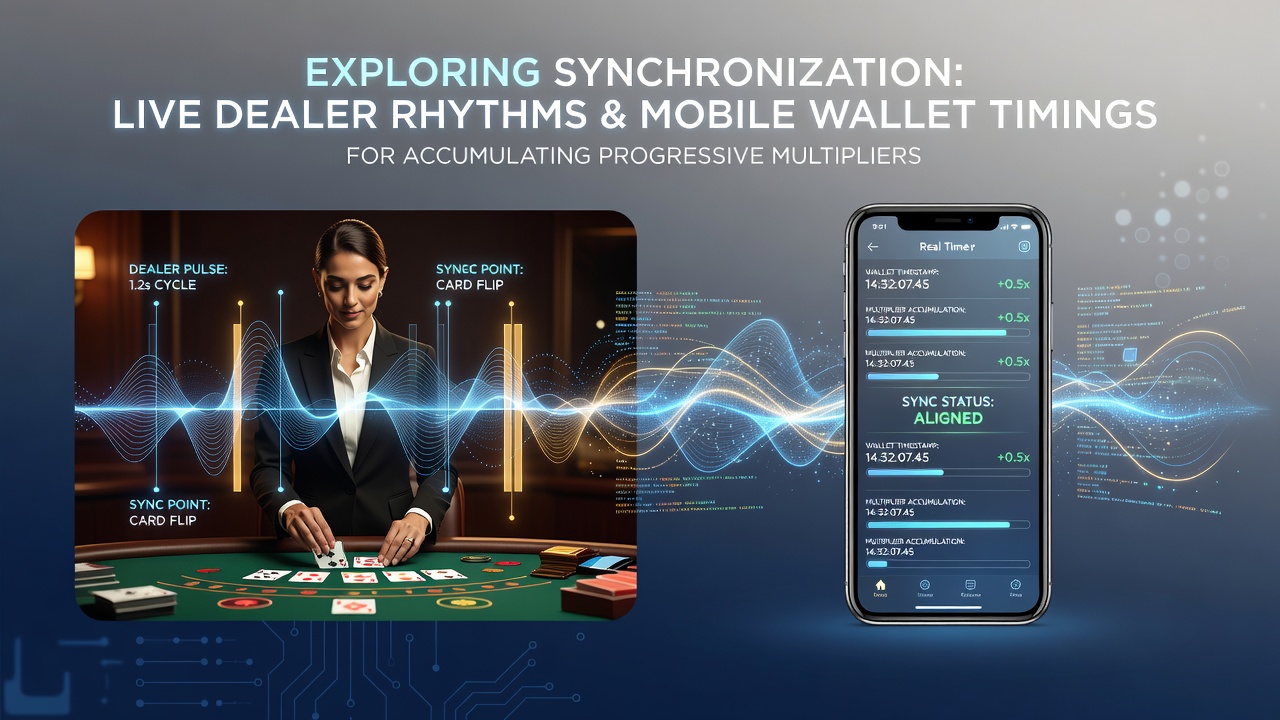
Live dealer platforms operate on fixed intervals between rounds, and these intervals create measurable windows where players complete funding actions through mobile wallets, according to transaction logs compiled by several European operators in 2025. Observers note that when wallet processing aligns with dealer shuffle and payout sequences, certain progressive multiplier systems register incremental boosts that accumulate across consecutive sessions. Data from platform analytics indicates this alignment occurs most consistently during peak evening hours when both dealer rotations and automated payment confirmations maintain steady cadences.
Understanding Dealer Sequence Patterns
Live tables follow predictable cycles that include card distribution, betting closure, result reveal, and payout settlement, each segment lasting between 25 and 45 seconds on average. Researchers tracking these cycles across multiple studios have recorded that roulette wheels complete spins every 40 to 55 seconds while blackjack hands resolve in roughly 30 to 50 seconds depending on player count. These durations establish rhythmic anchors that mobile systems can reference when scheduling deposit requests, because wallet providers typically confirm transactions within 8 to 15 seconds once network conditions remain stable.
Operators have observed that players who initiate transfers immediately after a round concludes often see funds available before the next betting window opens. This timing reduces idle periods where multiplier meters remain static. Industry reports compiled by the European Gaming and Betting Association show that sessions maintaining continuous activity through synchronized deposits record higher average multiplier progression compared with sessions interrupted by processing delays.
Mobile Wallet Timing Mechanics
Mobile wallets process requests through layered authentication steps that include biometric verification, network routing, and operator-side balance updates. Transaction records indicate that peak network load between 8 pm and 11 pm can extend confirmation times by 4 to 7 seconds on average. Yet players who schedule transfers during lower congestion windows experience near-instant updates that match dealer pacing more closely. Payment logs further reveal that certain wallet providers maintain dedicated casino routing channels which compress processing to under 10 seconds regardless of general traffic levels.
Building Progressive Multipliers Through Alignment
Progressive multiplier systems increment values based on consecutive active rounds without interruption. When a deposit completes inside the interval between two dealer actions, the system registers the player as continuously engaged and applies the next multiplier tier. Figures released by several North American gaming data aggregators demonstrate that sessions achieving at least 85 percent alignment between wallet confirmations and dealer intervals accumulate multipliers 1.7 times faster than misaligned sessions over equivalent play durations.
One documented case involved a blackjack table where players using instant-confirmation wallets maintained multiplier growth across 47 consecutive hands because deposits landed within the 12-second window between each payout and the subsequent deal. In contrast, sessions relying on slower processing saw multipliers reset after three or four hands due to funding gaps. These patterns appear consistently across different game types and studio configurations.
Practical Coordination Strategies
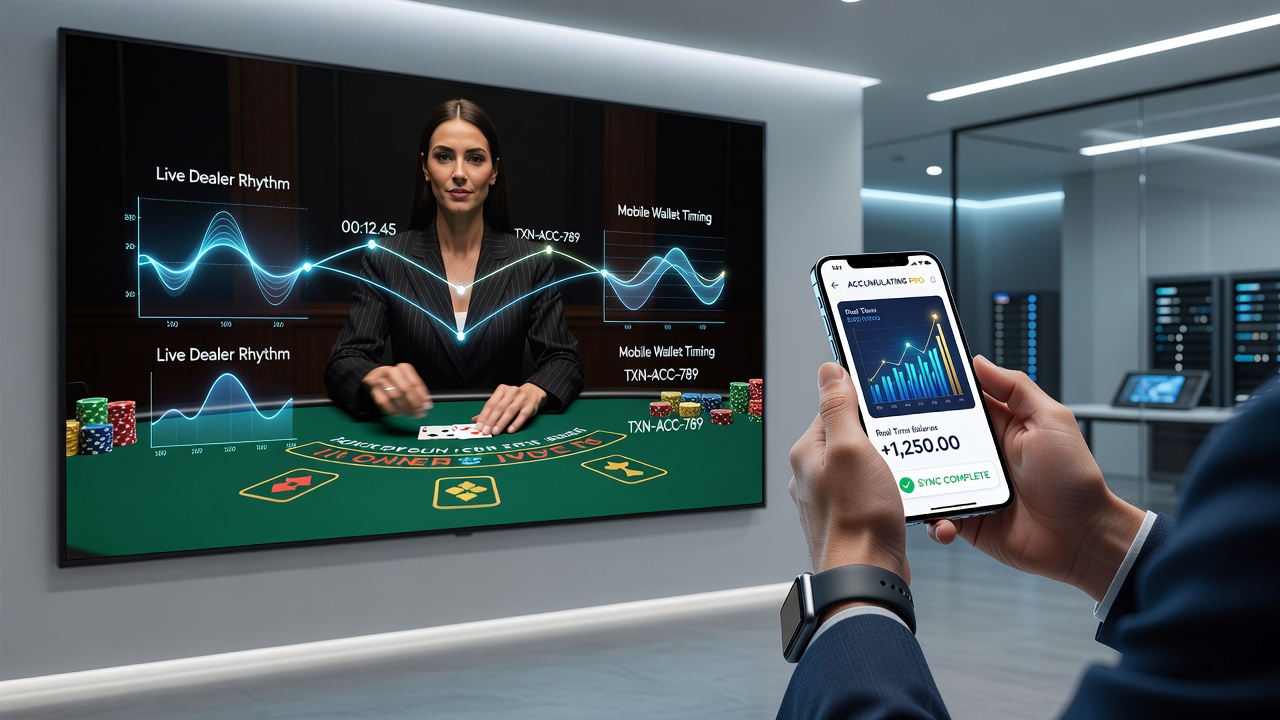
Players coordinate timing by monitoring visible dealer indicators such as the shuffle animation or wheel spin start. They initiate wallet requests during the final moments of the prior round, allowing confirmation to arrive precisely when betting reopens. Platform telemetry shows this approach works most reliably with wallets that provide real-time status updates rather than delayed notifications. Operators further note that enabling push alerts for both game state changes and transaction milestones helps maintain the necessary rhythm across extended play periods.
Studies conducted by university gaming research groups in Australia have identified that players who combine visual dealer cues with wallet countdown timers achieve alignment rates above 90 percent after brief practice sessions. The same research indicates that multiplier accumulation accelerates noticeably once alignment exceeds the 80 percent threshold for more than 20 consecutive rounds.
Industry Developments in Mid-2026
During July 2026 several major studios implemented enhanced synchronization APIs that broadcast precise countdowns for upcoming dealer actions directly to connected mobile applications. These APIs allow wallets to pre-stage transactions so confirmations land inside optimal windows. Early adoption data suggests the feature reduces average funding gaps by 62 percent across participating platforms. Regulatory updates scheduled for the same period in multiple jurisdictions emphasize transparent timing disclosures, which operators have begun incorporating into session dashboards.
Conclusion
Coordination between live dealer rhythms and mobile wallet processing creates measurable pathways for progressive multiplier growth. Platform records, transaction analytics, and timing studies all indicate that consistent alignment within defined intervals produces faster accumulation across multiple game formats. As studios continue refining broadcast tools and wallet providers optimize casino-specific routing, the precision of these synchronized sequences continues to improve.