Tracing Casino Bonus Paths From Deposits Through Slots Into Live Dealer Endings
Lars Hansen · Jun 29, 2026
Tracing Casino Bonus Paths From Deposits Through Slots Into Live Dealer Endings
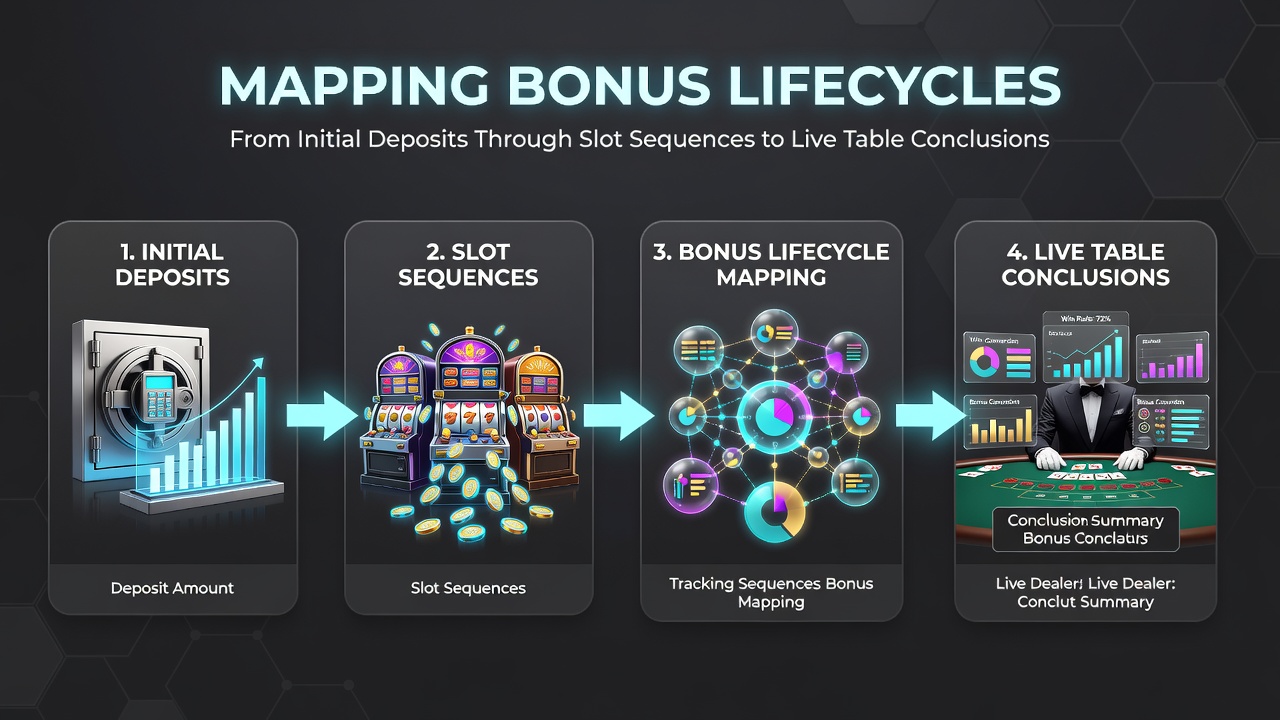
Bonus lifecycles in online casinos follow structured sequences that begin with an initial deposit and extend through multiple game types until reaching resolution at live tables. Data from regulatory filings and operator reports show these paths involve specific wagering requirements, game contribution percentages, and progression rules that operators enforce uniformly across platforms. Players who deposit funds receive bonus credits that attach to their accounts with defined terms, and these credits must meet playthrough thresholds before withdrawal eligibility occurs.
Initial deposits trigger bonus activation according to predefined matching percentages and maximum caps listed in operator terms. Once credited, the funds enter a lifecycle where slot sequences typically consume the largest portion of wagering activity because most operators assign 100 percent contribution rates to these games. This stage generates the bulk of turnover required to clear bonuses, and session data collected by platforms indicates average completion times vary between 30 minutes and several hours depending on stake levels and volatility selections.
Deposit Activation and Early Slot Sequences
Deposit methods influence how quickly bonuses appear in player accounts, with instant options such as e-wallets and certain cards accelerating the start of the lifecycle compared with bank transfers that may require additional verification steps. After activation, players enter slot sequences where bet sizing directly affects the rate at which wagering requirements accumulate. Operators track each spin's contribution through backend systems that log real-time progress toward clearance thresholds.
Studies conducted by the Nevada Gaming Control Board demonstrate that slot play accounts for the majority of bonus-related turnover across regulated markets because these games process high volumes of individual bets in short periods. Players often select titles with medium volatility during this phase to balance risk while steadily advancing through requirements. Contribution from other game categories remains lower, which encourages concentration on slots until primary clearance targets are met.
Transition Points and Live Table Integration
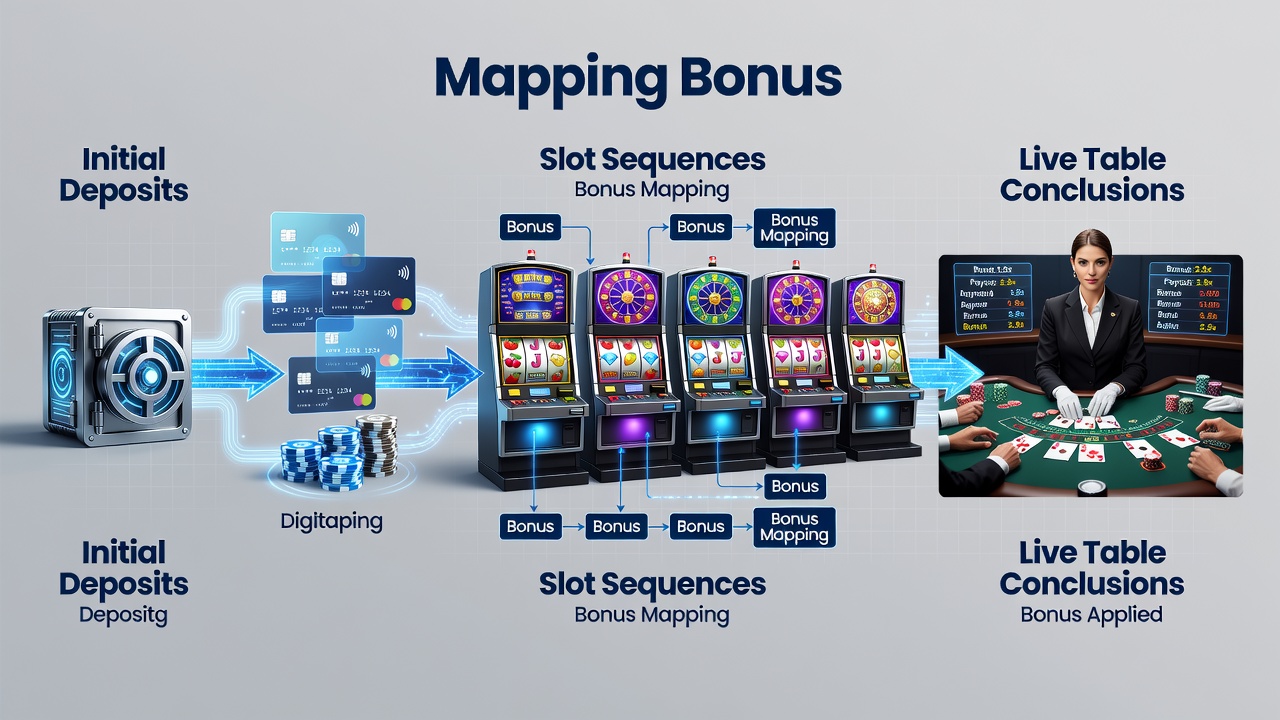
Once slot sequences reduce remaining wagering obligations to manageable levels, many players shift activity toward live dealer tables to complete final stages of the lifecycle. Live games such as blackjack and roulette carry reduced contribution percentages, typically between 10 and 20 percent, so operators design bonus terms to accommodate this transition without extending playtime excessively. Session records reveal that players who move to live tables after substantial slot turnover achieve higher completion rates within the same calendar day.
Platform analytics collected in multiple jurisdictions indicate that live table conclusions frequently coincide with bonus clearance because table minimums allow precise stake adjustments that finish exact remaining amounts. This stage also introduces social elements absent in automated slots, and operators note increased session durations when players reach this point with cleared bonuses intact.
Regulatory Timelines and June 2026 Developments
Multiple licensing authorities have scheduled updates affecting bonus lifecycle tracking for implementation in June 2026. The New Jersey Division of Gaming Enforcement has outlined enhanced reporting standards that require operators to document every stage from deposit through final table play in greater detail. These measures aim to improve transparency around how wagering contributions are calculated across game categories.
Similar preparations appear in other regions where government agencies coordinate with industry groups to standardize data formats. Operators have begun adjusting internal systems ahead of these deadlines to ensure seamless compliance when new rules take effect. Figures released by the American Gaming Association show rising investment in compliance infrastructure across North American markets as these timelines approach.
Player Behavior Patterns Across the Lifecycle
Research from academic institutions tracking gambling behavior indicates consistent patterns in how participants navigate bonus paths. Early stages emphasize high-volume slot play to build turnover, while later stages feature strategic shifts to live tables for controlled completion. Those who study aggregated session data find that players who follow this sequence tend to meet clearance conditions more reliably than those who remain exclusively on one game type.
External audits performed by independent testing laboratories confirm that contribution percentages listed in bonus terms align with actual gameplay outcomes recorded by operators. This verification process supports the integrity of lifecycle mapping across different platforms and regulatory environments.
Conclusion
Mapping bonus lifecycles from initial deposits through slot sequences to live table conclusions reveals a defined progression governed by operator rules and regulatory oversight. Data collected across multiple jurisdictions demonstrates that these paths operate according to consistent contribution mechanics and clearance timelines. As June 2026 regulatory updates approach, operators continue refining systems to maintain accurate tracking from start to finish. The European Betting and Gaming Association has published industry guidelines that further standardize reporting practices for these sequences in preparation for upcoming changes.