Transaction Speed Dynamics Fueling Bonus Progression in Mobile Betting Platforms
Drew Fischer · May 23, 2026
Transaction Speed Dynamics Fueling Bonus Progression in Mobile Betting Platforms
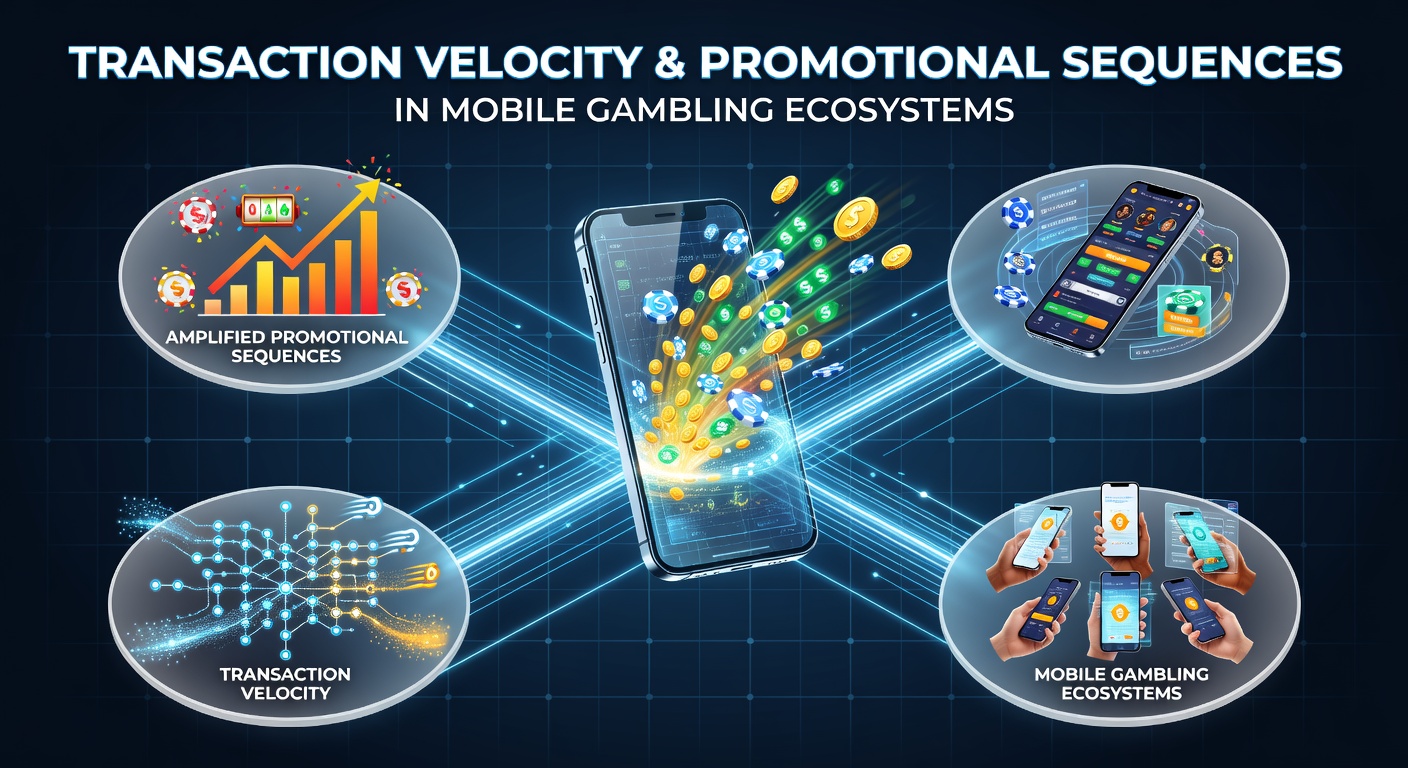
Transaction velocity refers to the rate at which deposits, withdrawals, and related financial movements occur within mobile gambling systems, and this metric plays a documented part in extending sequences of promotional offers such as free spins, deposit matches, and loyalty rewards. Industry data compiled across multiple platforms indicate that higher transaction speeds correlate with longer chains of bonus activations because quicker fund movements allow users to meet wagering thresholds before promotional windows close. Observers note that platforms optimize these flows through integrated payment processors, which in turn sustain engagement across slot and table game environments.
Research from payment technology providers shows that average deposit processing times dropped below 10 seconds on many mobile apps by early 2025, creating conditions where promotional sequences could overlap without interruption. This overlap occurs because systems credit funds instantly, enabling immediate eligibility for the next tier of offers. Those who track these patterns point out that velocity acts as a multiplier rather than a standalone driver, interacting with game return-to-player rates and volatility settings to determine overall sequence length.
Core Mechanisms Linking Velocity to Promotion Chains
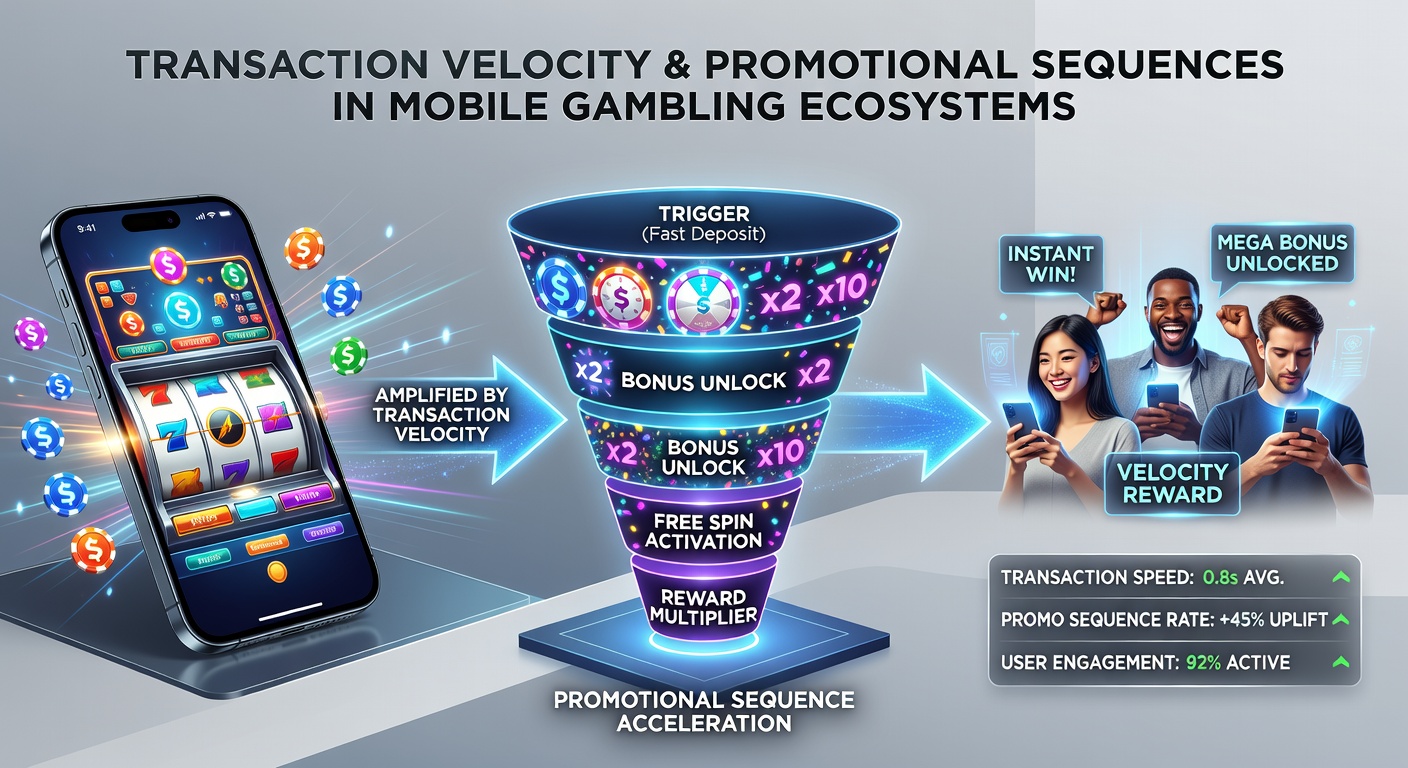
Mobile gambling ecosystems rely on automated triggers that activate when transaction velocity exceeds predefined thresholds, such as three deposits within a 30-minute window. These triggers release layered bonuses, including matched credits and additional spin packages, because the rapid movement of funds signals sustained user activity to the platform algorithms. Data from operator reports reveal that sequences can extend by 40 percent when velocity remains consistent, as each completed transaction unlocks the subsequent promotional layer without requiring manual intervention.
Payment pathway integration further amplifies this effect, where e-wallet services and instant bank transfers feed directly into bonus tracking modules. Experts have observed that platforms using unified ledgers reduce latency between deposit confirmation and bonus credit, which keeps promotional sequences active across both slot reels and live dealer sessions. The result appears in aggregated user metrics, where session durations increase alongside transaction frequency.
Patterns Observed in Mobile Slot and Live Dealer Environments
Slot-based promotions often chain free spins to jackpot pursuits when transaction velocity supports repeated small deposits that qualify for progressive bonuses. Figures from platform analytics indicate that users completing four or more transactions per hour encounter extended spin sequences more frequently than those with slower patterns. Live dealer tables introduce additional variables because game pace influences how quickly bonus funds convert into wagers, yet velocity remains the constant factor that resets eligibility timers.
One documented case involved a regional operator that adjusted its deposit APIs in late 2025, resulting in a measurable rise in chained promotions across its mobile user base. Observers note that the change allowed bonus offers to transition seamlessly from slot play into live events without fund clearance delays. Similar adjustments appear in systems where velocity metrics feed into loyalty tier calculations, advancing users faster when transaction counts accumulate within short timeframes.
Regional Data and Regulatory Context Through 2026
Reports compiled by the Nevada Gaming Control Board document transaction velocity trends in licensed mobile operations, showing average speeds increased by 25 percent between 2024 and 2025. These increases align with updates to bonus structures that reward rapid fund movements with extended promotional eligibility periods. Projections for May 2026 point to further integration of real-time settlement protocols that could shorten processing intervals even more, potentially lengthening promotional sequences in jurisdictions adopting similar standards.
Canadian provincial regulators have published comparable findings, noting that velocity monitoring helps platforms manage responsible gaming limits while maintaining promotion chains. Academic studies from institutions examining digital payment flows in gaming contexts confirm that velocity serves as a measurable variable in models predicting bonus uptake rates. Such models incorporate variables like deposit frequency and withdrawal speed to forecast how long a given promotional sequence remains viable before reset conditions apply.
Technical Infrastructure Supporting Velocity Effects
Backend systems in mobile gambling applications use distributed ledgers and API gateways to maintain high transaction throughput, which directly supports the amplification of promotional sequences. When these systems handle hundreds of micro-transactions per minute, they enable the stacking of free spin offers onto existing bonus balances without requiring separate funding steps. Industry organizations tracking these developments report that infrastructure upgrades completed in 2025 produced measurable gains in sequence duration across tested applications.
Security protocols tied to velocity monitoring also play a role, as rapid but verified transactions reduce fraud flags that might otherwise pause promotional credits. This balance allows sequences to continue uninterrupted while platforms apply compliance checks in the background. Those studying platform architecture emphasize that velocity optimization requires coordination between payment processors and game servers to avoid bottlenecks that break promotional chains.
Conclusion
Transaction velocity functions as a structural element within mobile gambling ecosystems by accelerating the conditions required for promotional sequence continuation. Data from regulatory bodies and industry analyses demonstrate consistent links between faster fund movements and extended bonus chains across slot and live dealer formats. As technical capabilities advance toward May 2026, these dynamics are expected to evolve further through refined settlement processes and integrated monitoring tools that track velocity alongside other performance indicators.